WHEN TEETH WEAR DOWN?
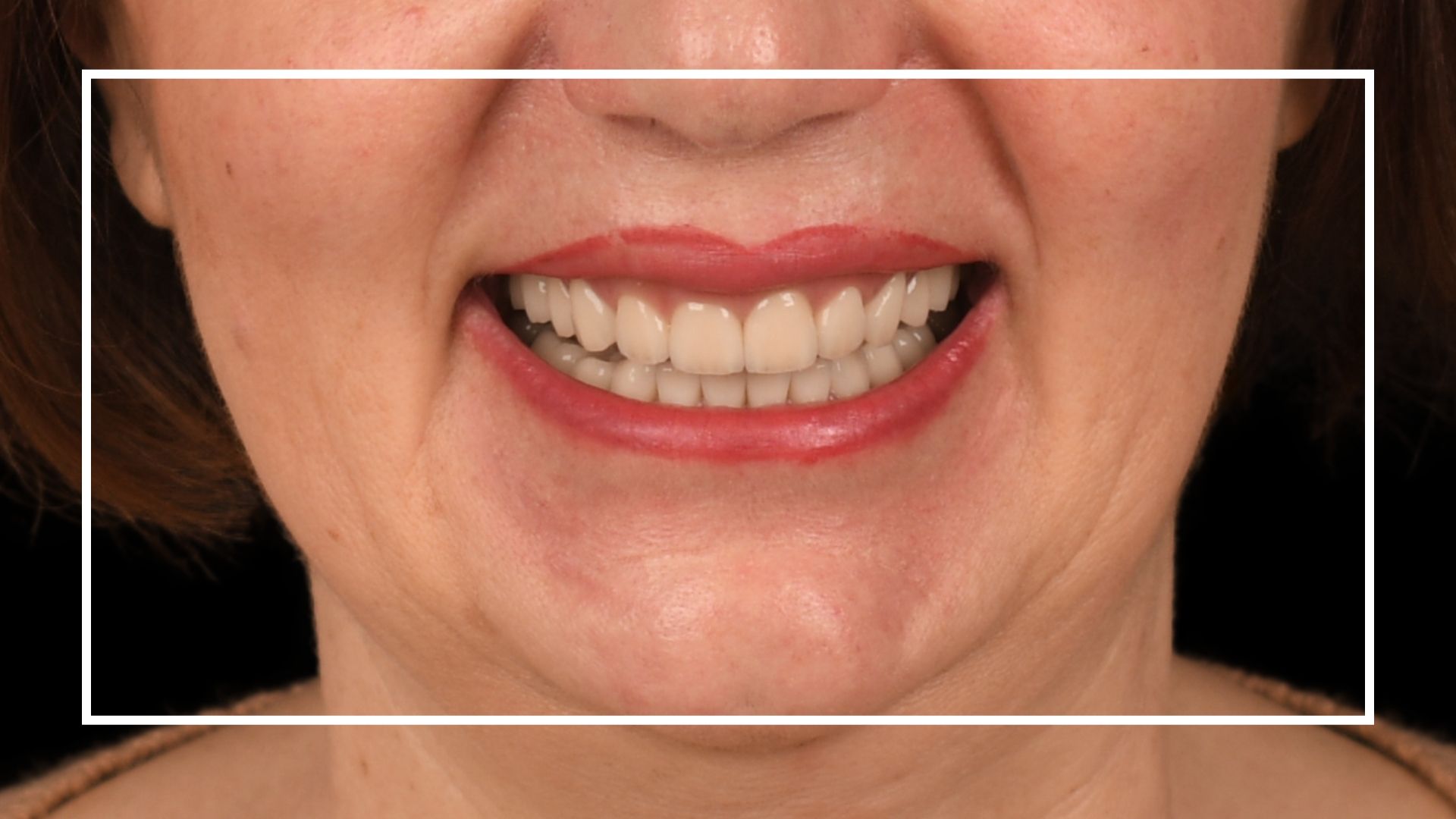
"What happened to my teeth?", "How did I change so much?", "Oh, I had such a beautiful smile. I simply don't know what happened."
I am certain that many people will relate to one or more of these questions. I am equally certain that there are many other rhetorical questions like these that people find themselves asking.
Yet there is one thing I am absolutely certain of, because it is a proven fact: teeth wear down over a lifetime. For some people more, for others less. But teeth, specifically tooth enamel, wear away, leading to changes in the way we bite, in the occlusion (bite alignment), in the functions of speech and mastication (chewing), as well as in the overall appearance of the dentition and each individual tooth.
This wear can be caused by various factors, and we have distinct terms corresponding to each:
Attrition — wear resulting from tooth-to-tooth contact, which can be especially pronounced with clenching or grinding (bruxism).
Abrasion — mechanical wear caused by external factors, such as aggressive tooth brushing.
Erosive wear — the loss of tooth structure caused by dietary acids or gastric acid reflux.
These factors often act simultaneously. That is why treatment begins with identifying and controlling the underlying causes: lost tooth structure does not regenerate on its own.
In the early stages, this wear which progresses slowly over many years is painless, presenting solely as mechanical damage to the teeth. In advanced stages, pain emerges as a symptom signaling severe progression, often necessitating extensive restorative treatment.
Significant tooth wear warrants clinical evaluation even when it causes no pain. The goal is to preserve the remaining tooth structure and, when necessary, restore both tooth morphology and bite function.
When is rehabilitation needed? When wear is actively progressing or compromises appearance, chewing, speech, or overall comfort. In stable cases, prevention and periodic monitoring may be sufficient.
What is the role of crowns? They protect weakened teeth and restore proper shape and function in harmony with your bite.
Why is the bite sometimes raised? To create sufficient clearance for restorations with minimal tooth reduction and to establish a functional bite. In certain cases, raising the bite also helps rehabilitate the physiological position of the TMJ (temporomandibular joint). The necessity is always evaluated individually.
How does this affect the jaw joint (TMJ)? Rehabilitation is carefully planned following an evaluation of both the joints and the masticatory muscles. Crowns and bite raising are not a proven standalone treatment for joint disorders.
What happens if the problem is neglected? Active wear can lead to deeper structural damage and jeopardize the long-term survival of the teeth. The need for treatment depends on the severity of the condition, not simply on age.
How is a long-term result ensured? Through proper treatment planning, managing causative factors, maintaining excellent oral hygiene, attending regular check-ups, and using a protective occlusal splint (night guard) if bruxism is present.
If your teeth are shortening, chipping, or changing in appearance, a timely evaluation helps determine the most appropriate approach—with the goal of preserving your natural teeth and ensuring comfortable chewing for years to come.
Schedule your visit today.
Easily access our services via phone or our
online contact form if you have any questions
or would like to schedule an appointment.
Our team will reply to you as soon as possible.