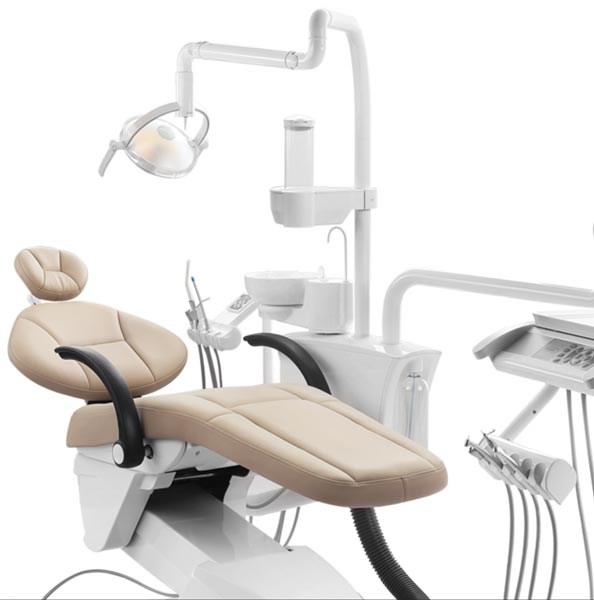



Periodontology
Periodontology is the specialty of dentistry that studies and treats the diseases and conditions affecting the support structures of teeth such as gums, periodontal tissue and bone

It is the specialty of Dentistry that diagnoses, prevents and
treats diseases of the gums
Periodontology is the study of a specialized system of hard (bone) and soft tissue (gingiva) that supports the teeth and maintains its position in the maxilla and mandible (bones of the skull). This set of tissues is called periodontium.
The main function of the periodontium (gum tissues) is to keep the teeth in their position inside the bone but also acts as a buffer during mastication preventing damage to the teeth when they receive excessive forces. The tissues and teeth act and work together to protect themselves and promote proper function during chewing.
The periodontal diseases treated by periodontists are very common among the population and are a consequence of the inflammation of the periodontal (gum) tissues. Gingivitis is the inflammatory response of the gums due to the accumulation of bacteria in the teeth and soft tissues of the mouth. Gingivitis occurs at least once in life in all individuals. This response is a defense mechanism that the human body has to fight against pathogenic bacteria but can cause damage to the tissues if not treated correctly. The inflammation can extend into the gums and destroy the periodontal ligament and alveolar bone causing periodontitis. This causes a lost of the support for the teeth and even teeth lost when the disease is in more advanced stages.
With proper advice and treatment from professionals it is usually possible to completely stop the progression of periodontitis. The key is to eliminate bacterial plaque that accelerates the pathological process and establish excellent oral hygiene habits. Thus, the first step of a periodontal treatment consists in making the patient aware of his condition and giving oral hygiene instructions. In this first hygienic phase it is very important to make sure that the patient adequately complies with their hygiene. On the other hand, the periodontist will perform hygienic procedures to eliminate calculus and bacterial plaque from areas that are not accessible to the patient. Sometimes antibiotic therapy can be given if the infection of the tissues persists and does not respond to hygienic measures.
After this first phase, the patient’s periodontal condition and hygiene are checked after a few weeks. The progress of the disease is checked and a probing is carried out to check the depth of the bags. If some bags persist (space where bacteria that have the ability to destroy gum and bone), more treatment options, including surgery, are offered. Sometimes it is necessary to perform a surgery lifting the gum to be able to access those areas where there is calculation and to be able to clean it. This allows you to have a direct view and make sure that the area is completely clean. In other cases it will be possible to perform regenerative surgeries in which the bone loss is treated and regenerated in order to try to give a more correct anatomy to the bone defects created by periodontitis. In other cases it will not be possible to regenerate these defects and surgeries will be performed in which the bone is remodeled and if necessary the gum as well.
After this surgical phase, if necessary, a restorative phase will be carried out. It is at this time that implants, definitive prostheses, orthodontic treatment or other treatment options appropriate to each individual situation can be placed. The implants may be placed when the periodontal treatment is completed.
Finally, the success of long-term periodontal therapy depends on oral hygiene by the patient and professional maintenance, and advice from professionals. It is important to perform this maintenance phase on a regular basis to check the state of the periodontal tissues and check that the inflammation is controlled. This way you can check the maintenance of the results obtained by periodontal treatment, prevent the recurrence of the disease and early detection of the appearance of new periodontal lesions to be able to treat them and inform the patient of the hygienic measures that should be taken to avoid the recurrence of periodontal disease.
Periodontology is the study of a specialized system of hard (bone) and soft tissue (gingiva) that supports the teeth and maintains its position in the maxilla and mandible (bones of the skull). This set of tissues is called periodontium.
The main function of the periodontium (gum tissues) is to keep the teeth in their position inside the bone but also acts as a buffer during mastication preventing damage to the teeth when they receive excessive forces. The tissues and teeth act and work together to protect themselves and promote proper function during chewing.
The periodontal diseases treated by periodontists are very common among the population and are a consequence of the inflammation of the periodontal (gum) tissues. Gingivitis is the inflammatory response of the gums due to the accumulation of bacteria in the teeth and soft tissues of the mouth. Gingivitis occurs at least once in life in all individuals. This response is a defense mechanism that the human body has to fight against pathogenic bacteria but can cause damage to the tissues if not treated correctly. The inflammation can extend into the gums and destroy the periodontal ligament and alveolar bone causing periodontitis. This causes a lost of the support for the teeth and even teeth lost when the disease is in more advanced stages.
With proper advice and treatment from professionals it is usually possible to completely stop the progression of periodontitis. The key is to eliminate bacterial plaque that accelerates the pathological process and establish excellent oral hygiene habits. Thus, the first step of a periodontal treatment consists in making the patient aware of his condition and giving oral hygiene instructions. In this first hygienic phase it is very important to make sure that the patient adequately complies with their hygiene. On the other hand, the periodontist will perform hygienic procedures to eliminate calculus and bacterial plaque from areas that are not accessible to the patient. Sometimes antibiotic therapy can be given if the infection of the tissues persists and does not respond to hygienic measures.
After this first phase, the patient’s periodontal condition and hygiene are checked after a few weeks. The progress of the disease is checked and a probing is carried out to check the depth of the bags. If some bags persist (space where bacteria that have the ability to destroy gum and bone), more treatment options, including surgery, are offered. Sometimes it is necessary to perform a surgery lifting the gum to be able to access those areas where there is calculation and to be able to clean it. This allows you to have a direct view and make sure that the area is completely clean. In other cases it will be possible to perform regenerative surgeries in which the bone loss is treated and regenerated in order to try to give a more correct anatomy to the bone defects created by periodontitis. In other cases it will not be possible to regenerate these defects and surgeries will be performed in which the bone is remodeled and if necessary the gum as well.
After this surgical phase, if necessary, a restorative phase will be carried out. It is at this time that implants, definitive prostheses, orthodontic treatment or other treatment options appropriate to each individual situation can be placed. The implants may be placed when the periodontal treatment is completed.
Finally, the success of long-term periodontal therapy depends on oral hygiene by the patient and professional maintenance, and advice from professionals. It is important to perform this maintenance phase on a regular basis to check the state of the periodontal tissues and check that the inflammation is controlled. This way you can check the maintenance of the results obtained by periodontal treatment, prevent the recurrence of the disease and early detection of the appearance of new periodontal lesions to be able to treat them and inform the patient of the hygienic measures that should be taken to avoid the recurrence of periodontal disease.
Schedule your visit today.
Easily access our services via phone or our
online contact form if you have any questions
or would like to schedule an appointment.
Our team will reply to you as soon as possible.